
The Atrium Mall, Islamabad
Commercial Area, Rawalpindi
Main Boulevard, Swat
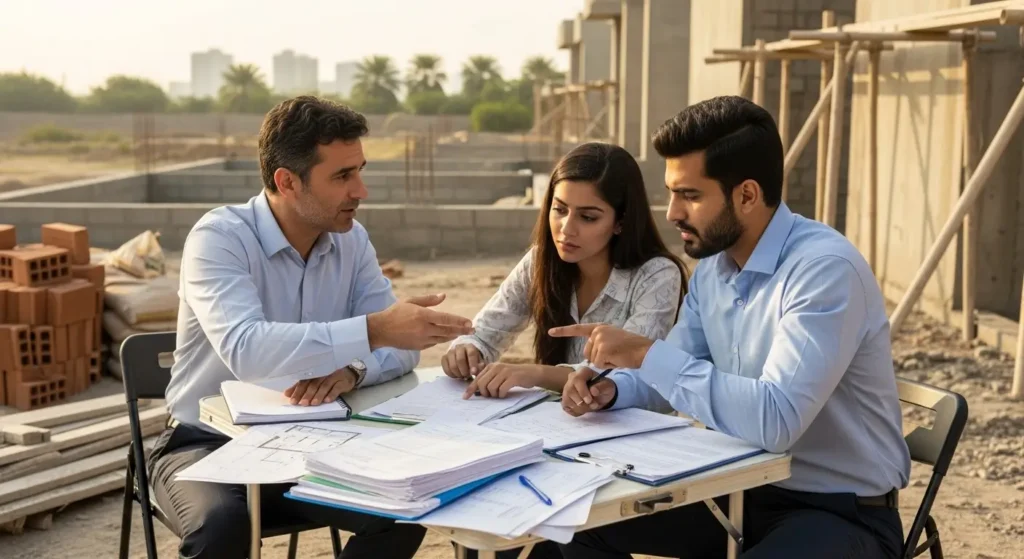
How to Buy a House in Pakistan is one of the most important financial decisions you’ll ever make. Whether you’re purchasing your first home, planning a secure investment, or relocating with your family, understanding the local property market is essential. This guide will walk you through every step, helping you avoid common pitfalls and make smart, informed choices in the process.
This guide breaks it down into clear, practical steps so you can turn your dream of homeownership into a reality—without the confusion.
Before you even start browsing property listings, ask yourself: Why am I buying this house? Is it for living, renting, or long-term investment?
Once you’re clear on your purpose, calculate your total budget. Don’t forget to include these:
Pro Tip: Keep 10-15% extra funds aside for unexpected expenses.
In Pakistan, location is everything. It can determine not just your lifestyle, but also your property’s long-term value. Some of the top cities to consider include:
Think about access to schools, hospitals, public transport, and shopping areas. Talk to locals if you can—they’ll tell you more than any ad ever will.
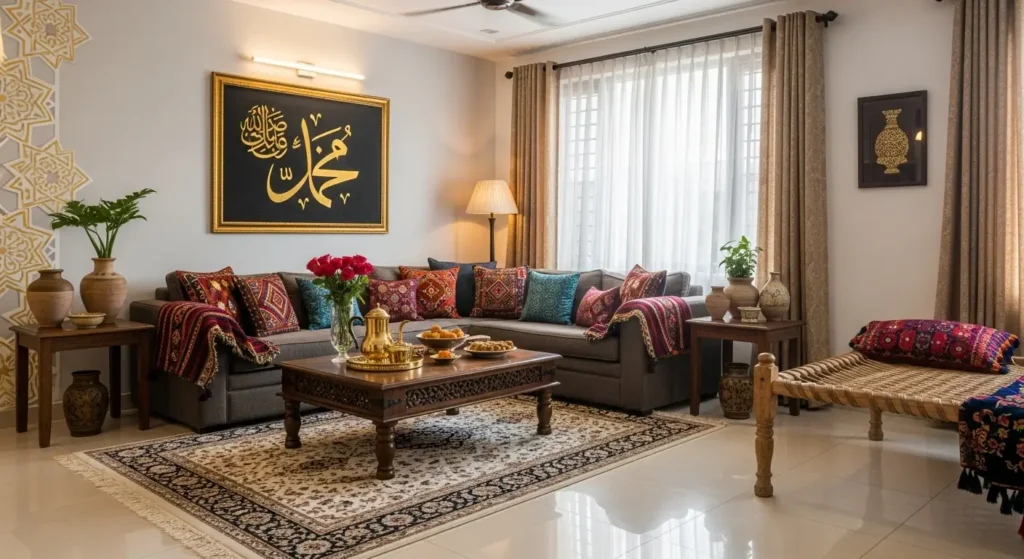 Step 3: Understand the Typical Features of a Pakistani Home
Wondering what is a typical Pakistani house like?
In urban areas, a typical home includes:
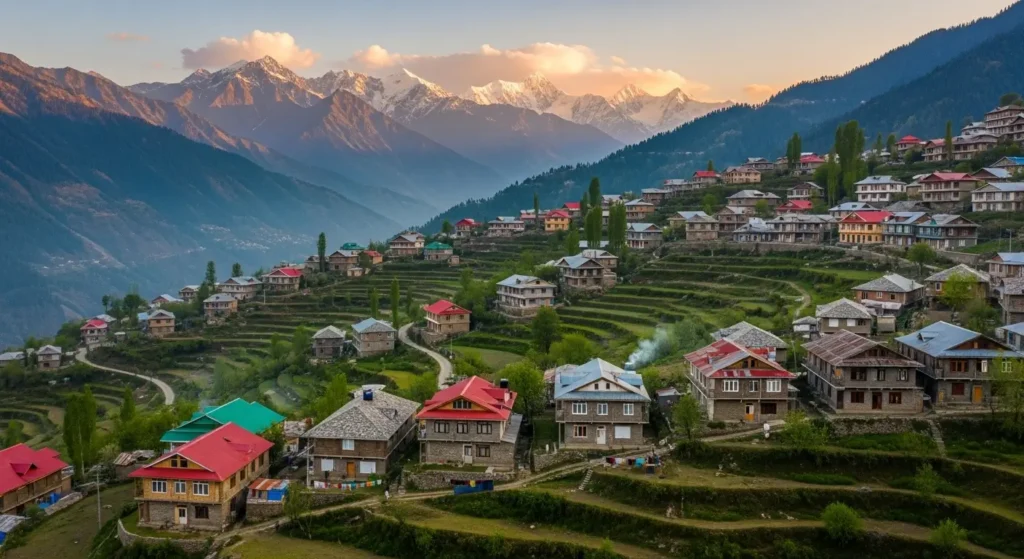
In rural or northern regions, houses may also include:
Buying a house involves a number of legal checks. Skipping this step can cost you dearly. Here’s what you need to do:
Pro Tip: Always work with a trusted real estate agent and lawyer familiar with local property laws.
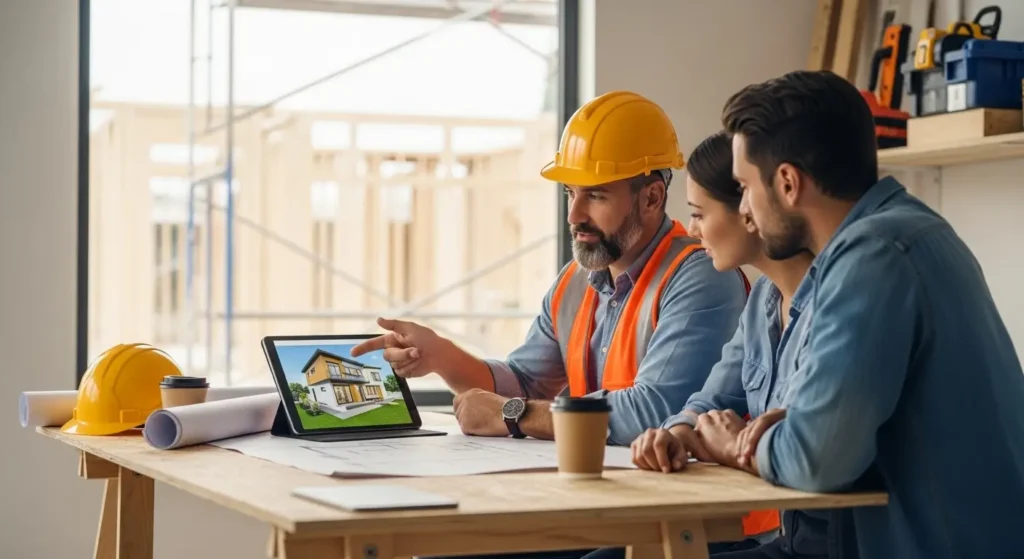 Step 5: Can You Design Your Own Home?
Absolutely. If you’re buying a plot rather than a pre-built house, you can design your home from scratch. Many Pakistanis today are moving toward custom-built, modern homes rather than buying older properties.
Check out this guide on the best house designs in Pakistan to get inspired.
Can’t pay the full amount upfront? You’re not alone. Luckily, more banks in Pakistan now offer home financing options:
Each bank has its own terms, but most require:
Make sure you compare markup rates, loan terms, and early payment penalties before signing anything.
Once you’ve picked the right house, done your legal checks, and arranged financing, it’s time to close the deal.
Your new home is officially yours when you have the registered sale deed in your name.
 Bonus: What Is the Best Way to Buy a House in Pakistan?
The best way is to be informed, patient, and detail-oriented. Avoid rushed decisions, research thoroughly, and don’t be afraid to walk away if something feels off.
If you’re buying from a housing society, make sure it’s approved by LDA, RDA, or CDA depending on your city.
While guides make the process seem straightforward, the reality is often more complex. Knowing how to buy a house in Pakistan also means understanding the unexpected roadblocks.
One of the most common difficulties people face is incomplete or fake property documentation. It’s crucial to verify documents through official government sources. Many buyers have lost their investments because they didn’t fully understand how to buy a house in Pakistan through legal and authenticated channels.
Double ownership issues
Encroachment problems
Unapproved housing societies
Learning how to buy a house in Pakistan includes being cautious about developers making promises they can’t fulfill.
Emotions can cloud judgment. Falling in love with a house without evaluating the area, legal status, or resale value is risky. Being emotionally prepared is part of truly understanding how to buy a house in Pakistan wisely.
Many overseas Pakistanis dream of owning a home back in their homeland. But their biggest question is: how to buy a house in Pakistan from abroad?
It’s common to appoint a trusted family member or property dealer to act on behalf of the buyer. However, misuse of power of attorney is a real risk. To avoid fraud:
Use notarized and properly registered documents
Stay in regular contact with your representative
Request video tours or virtual meetings
Even when abroad, knowing how to buy a house in Pakistan can protect your long-term financial interests.
With rising prices, many developers now offer properties on easy installment plans. If you’re wondering how to buy a house in Pakistan without paying the full amount upfront, this is a great option.
Choose trusted developers with NOC approvals
Verify possession and handover timelines
Read the installment contract thoroughly
Learning how to buy a house in Pakistan this way gives buyers financial breathing room without missing out on good opportunities.
Living in a gated community is becoming increasingly popular. Cleanliness, security, and amenities are major advantages.
But before committing, research:
Monthly maintenance charges
Community rules and restrictions
Developer’s track record
When exploring how to buy a house in Pakistan in such settings, make sure it aligns with your lifestyle preferences and family needs.
While there are still gaps in enforcement, Pakistan has improved legal protections for property buyers.
Key laws and authorities include:
Punjab Land Records Authority
Sindh Board of Revenue
CDA and LDA for development approvals
An informed approach to how to buy a house in Pakistan includes understanding your legal rights as a buyer.
Some warning signs you should never ignore:
Unregistered housing schemes
Verbal agreements without paperwork
Sellers avoiding full disclosure
Pressure to pay “bayana” (token money) too quickly
Even experienced buyers can overlook these. A big part of knowing how to buy a house in Pakistan is spotting when something feels off.
This is one of the most critical decisions when figuring out how to buy a house in Pakistan:
Ready-made homes: Immediate possession, lower planning stress, but less customization
Buying a plot: Complete design freedom, usually cheaper long-term, but time-consuming
Each route has its pros and cons. Understanding how to buy a house in Pakistan means choosing what fits your goals and timeframe.
Buying a house in Pakistan is one of the biggest decisions you’ll make—not just financially, but emotionally. Whether you’re building a future for your family, starting a new chapter, or investing smartly, the process deserves your full attention.
Yes, it can feel complicated. But with the right information, reliable guidance, and a clear plan, you can make a confident, informed purchase that fits your life and goals.
So take that first step, do your research, ask questions, and make sure every decision brings you closer to the home you’ve always imagined.
Focus Keyword: How to Buy a House in Pakistan
