
The Atrium Mall, Islamabad
Commercial Area, Rawalpindi
Main Boulevard, Swat
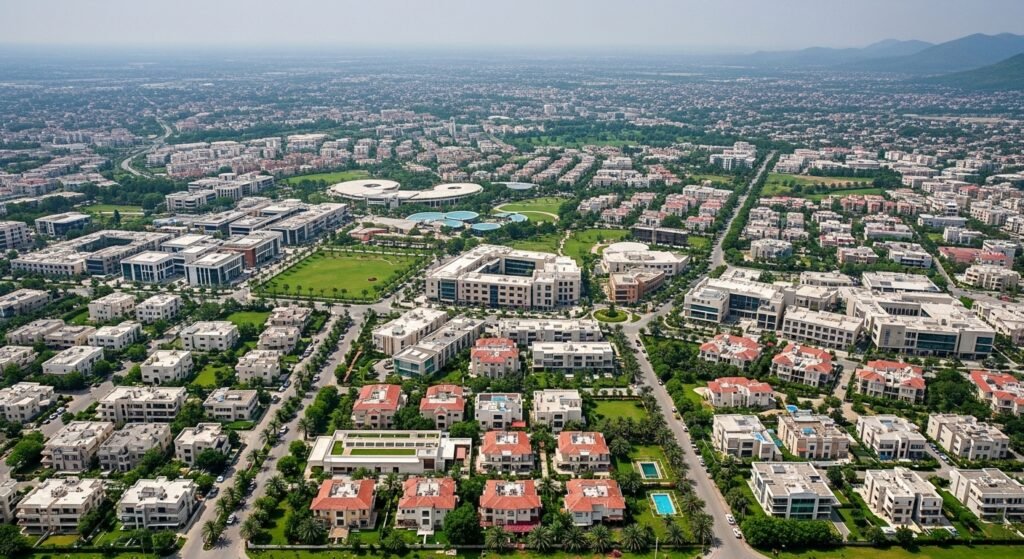 When I look at Islamabad, the federal capital of Pakistan, I see more than just a city with picturesque terrain and modern facilities, it’s a thriving real estate market where both local and overseas Pakistanis continue to invest. Having worked closely with a real estate company in Islamabad, I’ve observed how housing societies, residential zones, and commercial options like shops, offices, and apartments are reshaping the way people choose to live. The best real estate company in Islamabad, such as Hadi Anwar Developers, plays an important role in guiding home buyers to buy plots, houses, or flats at affordable prices or even premium tagged rates in developed sectors approved by the Capital Development Authority (CDA). What fascinates me most is how recent infrastructure developments, from the Metro Bus project to the New International Airport, have acted as a marvel and an impetus, creating a sharp rise in property values across the vicinity.
From my own experience, I’ve seen how investors carefully pay heed to lucrative returns and secure investment opportunities in beautifully planned areas where bureaucrats and the elite class prefer to settle. The bustling activities in commercial projects contrast with the serene housing societies, offering a balance between chic living and the hustle and bustle of city life. Whether it’s new instalment plans for home buyers, or a portal database hosted by agencies like Hadi Anwar Developers, the strategic importance of Islamabad’s real estate lies in its ability to provide comfortably peaceful homes while ensuring strong investment opportunities. For anyone considering investing, the well-planned infrastructure and dedicated areas make Islamabad not just a place to live, but a source of long-term stability and growth.
Working within Islamabad’s real estate market, I’ve seen firsthand how the capital territory has evolved into a hub of high-value investment opportunities. The urbanised sectors such as F-6 and F-7 are prestigious locations where luxury villas and modern apartments dominate, offering elegant spaces for those seeking premium housing. These residential and commercial properties are not only developed with precision but also characterised by their structured urban development, making them attractive to both local and international investors. The crucial role of construction in driving economic growth across Pakistan is evident here, as new developmental projects continue to expand the scope of the real estate sector.
From my own professional experience, the market drivers in Islamabad are shaped by rapid urbanisation and the growing need for housing, which consistently contribute to the development of planned sectors. The Islamabad Capital Territory has become synonymous with luxurious areas, high-end properties, and industrial segments, all regulated to ensure stability for home buyers. What makes this market unique is the balance between established areas and new projects, offering diverse investment opportunities that cater to every budget. Whether it’s prime locations with prestigious housing societies or urban spaces designed for commercial activities, Islamabad continues to stand out as one of the most promising destinations for real estate growth.
One of the most fascinating aspects of Islamabad’s real estate is how the scenic terrain blends seamlessly with planned infrastructure, creating a balance between natural environment and urban development. From my own visits to sites where engineering projects like roads, buildings, and utilities are underway, I’ve noticed how a landscape-first approach and nature-based solutions are prioritised to maintain aesthetics and quality of life. The integration of green infrastructure, Eco-friendly hotels, native vegetation, and urban forests ensures that biodiversity and environmental impact are carefully managed. Even storm water systems, wetlands, and green ways are designed with landscape-sensitive design principles, allowing construction to coexist in visual harmony with surrounding scenic views.
Projects like the Kumrat-Madaklasht Cable Car project, trails, and viewpoints highlight how tourism and residential resorts can thrive alongside mountainous adventure tracks and public spaces such as parks. The use of natural materials, renewable energy, and waste management practices reflects a sustainable and resilient vision for Islamabad’s growth. I’ve seen how site analysis, feasibility studies, and slope vegetation assessments contribute to ecological management, ensuring conservation of ecosystem services. With spatial systems, ornamental architecture, and community-centric planning, the city achieves harmonious coexistence between built structures and nature, while Global South models, MCA distribution, and catchment suitability maps guide land use and urban planning. This structured approach not only protects geological resources but also strengthens Islamabad’s reputation as a city where development and conservation walk hand in hand.
In Islamabad, the blend of living standards and modern infrastructure has always fascinated me, especially when compared to other cities in Pakistan. The green urban environment, combined with scenic beauty and prime locations like F-6, F-7, E-7, and F-8, makes the city a magnet for professionals, expatriates, and even Arab diplomats. Having visited gated communities such as DHA and Bahria Town, I’ve seen how underground utilities, wide roads, and eco-friendly projects like Capital Smart City or Park View City create a sense of safety and security. With biometric access, 24/7 surveillance, and policed areas, the crime rate remains low, which is why investors continue to pour money into residential projects, luxurious bungalows, and high-rise apartment complexes in places like Gulberg and Eighteen.
The rapid development of upscale shopping centers such as Centaurus and Giga Mall, alongside international schools, gyms, spas, and pools, has elevated the lifestyle for families who value services, groceries, dining, and leisure cafes. I’ve personally experienced the charm of the Margalla Hills, where recreation, hiking, and visits to cultural centers like PNCA and Lok Virsa add depth to everyday life. Yet, these comforts come at a cost, expensive rent for a one-bedroom apartment in the center can easily reach PKR per month, while plots, farmhouses, and villas in exclusive enclaves like Bani Gala, Garden Enclave, or E-11 are often priced in crore or lakh, depending on plot size. The Capital Development Authority (CDA) ensures construction quality, but the volatile market means investors must remain cautious. Still, the posh phases and premium enclaves continue to attract high-net-worth individuals, proving that Islamabad’s housing scene is both aspirational and resilient.
From my own experience working with real estate files and guiding both local and overseas Pakistanis, I’ve seen why Islamabad stands out as a secure, sustainable, and modern environment for investing. The Capital Development Authority (CDA) ensures transparent plot transfer processes, digital property verification systems, and effective management, which makes ownership and transactions smoother compared to other regions in Pakistan. With infrastructure projects like the Rawalpindi Ring Road, the New Airport, and the Kashmir Highway, accessibility has improved drastically, boosting property value and attracting foreign investors who seek financial growth and stable returns. The capital city itself, with its strategic location, expanding economy, and thriving dynamic market, has become a prime destination for investment and development abroad, offering benefits that appeal to those wanting to diversify portfolios.
I’ve noticed that government policies and incentives further strengthen confidence, while superior housing options in DHA, Bahria Town, and even specialised Overseas Blocks provide premium yields and high-demand rental income. The rapid urbanisation and stable environment of Islamabad create capital gains opportunities, especially in well-planned sectors where population appreciation values continue to rise. For many foreign investors, the secure framework and knowledge of procedures make Islamabad a safer bet compared to volatile markets elsewhere. Add to this the IT business hub sector in Lahore, the commercial and residential lifestyle appeal, and the green attractive spaces within Islamabad, and it’s clear why both local and overseas investors consistently prefer this city for long-term growth.
In my professional dealings with plots, apartments, and commercial properties across Islamabad, I’ve seen how hot locations like Gulberg, Top City-1 near the airport and Srinagar Highway, or CDA sectors such as G-13, G-14, G-15, and G-16 consistently deliver strong ROI potential and rental income. The rapid development of high-rise buildings, commercial plazas, and residential projects has attracted mid-to-high income buyers and investors, while DHA, Bahria Town, and Eighteen continue to set benchmarks for luxury housing societies. I’ve noticed that Capital Smart City and Park View City are particularly appealing for overseas investment opportunities, offering secure gated environments and modern infrastructure that align with global standards.
Looking ahead to 2025 and 2026, high-growth phases like B-17 Multi Gardens, Taj Residencia, and Mumtaz City are strategically positioned near the motorway M-1 and M-2, making them attractive for moderate-budget investors seeking timely delivery and CDA-approved projects. The rise of Blue World City, Magnus Mall, and low-cost societies such as I-14 highlights how emerging areas with NOC approvals from CDA and RDA are reshaping the city center and expanding affordable plots with scenic views of the Margalla Hills. With robust infrastructure, premium locations, and futuristic tech-driven projects, Islamabad’s real estate market continues to offer lucrative opportunities for families, builders, and investors aiming for long-term value appreciation and secure returns.
In Islamabad’s real estate market, the diversity of residential options makes it appealing for both property owners and investors. From plots that allow you to construct a house according to your requirements and customization options, to apartments with contemporary layouts and premium features, the choices are vast. I’ve personally seen how low-risk investment in land can be cheaper initially, though it requires effort and time to build, while ready-to-move-in flats or furnished studios provide immediate occupancy and passive rental income. The flexibility of multi-story houses in gated communities, ranging from 5 Marla, 8 Marla, 10 Marla, to 1 Kanal, offers independent living spaces with the ability to modify or expand over time.
For families seeking security, amenities like gyms, pools, and proximity to central locations add to the appeal of apartments, duplexes, lofts, and penthouses. In contrast, plots provide a long-term goal for those who value customized design elements and privacy, though they come with construction costs and maintenance factors. I’ve noticed that comparison between houses and flats often depends on budget, lifestyle, and returns—with low-maintenance apartments suiting neighbors who prefer shared walls and entrances, while luxurious houses in Pakistan’s gated communities deliver higher appreciation and specialized rental income. Whether it’s affordable plots for moderate-budget buyers or high-end apartments in central locations, Islamabad continues to provide a residential overview that balances convenience, privacy, and secure living.
In Islamabad, the demand for commercial properties has grown rapidly, making them one of the most lucrative investment opportunities in Pakistan’s real estate markets. From shops in bustling locations with high footfall to office space in modern buildings, investors are drawn by strong ROI, consistent monthly yield, and long-term capital gains. I’ve personally seen how areas like Blue Area, Gulberg, and extensions of Bahria Town or Defence Housing Authority (DHA) attract businessmen, bureaucratic elites, and even ministers, thanks to their stable infrastructure and proximity to medical and educational facilities. Projects such as Zameen Ace Mall, 68 High Street Mall, and 35 kiosks spaces have become popular among the fraternity of investors, offering diverse price brackets and strong resale value.
From my own experience, the factors influencing buying decisions in commercial plazas or warehouses often include structural design, topography, and the ability to modify or plan for expansion. While litigation disputes and maintenance costs can sometimes pose challenges, the population demand for accommodation shortages in residential areas keeps commercial plots in high demand. With approvals from CDA and minimum budget options starting around PKR 20 lakh, the federal capital continues to provide a stable environment for investors seeking superior returns. Whether it’s factories, shops, or office spaces, Islamabad’s commercial property sector remains a thriving choice for those aiming to diversify portfolios and secure long-term growth.
In Islamabad’s real estate market, the appeal of agricultural land and farmhouses lies in their connection to Pakistan’s economy, where crops like cotton, wheat, rice, sugarcane, fruits, and vegetables remain vital for export and GDP. I’ve personally observed how arable land, supported by water irrigation systems, forests, and rangelands, provides both investment opportunities and a unique lifestyle admired by many Pakistanis. The buy and sale rates of property in prime locations across Punjab, Sindh, Hyderabad, Balochistan, KPK, and GB reflect the value input of crops and the labour force working across thousands of hectares of cultivated territory. With culturable waste areas being converted into productive sites, the trend of farm output continues to rise, offering secure ROI for investors.
From my own experience, farmhouses in Islamabad are often equipped with amenities like electricity, roads, and transportation facilities, making them attractive for both residential options and rural investment perspectives. Properties ranging from 5 kanal plots priced at around PKR 3.8 lakh to larger holdings of 50,000 kanals worth 50 Arab highlight the diversity of sales price ranges available. The geographic distribution of land across provinces, combined with secure investment opportunities, ensures accumulation of value while offering residential farmhouses for families seeking privacy and a peaceful lifestyle. With amenities, levelled land, and provision of facilities, these farmhouses not only provide residential spaces but also contribute to the agricultural sector’s growth and the expanding property market in Islamabad.
In Islamabad, I’ve often compared the rise of affordable housing societies with the more expensive Capital Development Authority (CDA) sectors, and the contrast is striking. For middle-income buyers and families, projects like Park View City, Smart City, MPCHS B-17, and Faisal Town provide flexible payment plans, scenic greener environments, and modern amenities at a budget-friendly price point. These government-backed schemes with proper legality and approval offer safe investment opportunities and steady appreciation, making them attractive for those with moderate risk tolerance. I’ve personally seen how rapid development near the airport and motorways has boosted accessibility, creating trusted housing societies that deliver consistent progress and cater to buyers seeking secure lifestyles.
On the other hand, the prime developed infrastructure of CDA sectors such as F-11, E-11, Park Enclave, C-15, C-16, and E-12 reflects a different reality—luxury living with high-value properties but often inaccessible prices. These central locations are favored by those who prioritize security, privacy, and exclusive amenities, yet the slow development in some areas poses challenges for investors. From my own perspective, while expensive CDA sectors remain prestigious, the affordable new housing societies are reshaping Islamabad’s real estate landscape by offering safe, private, and modern environments that balance budget with long-term ROI.
The Metro Bus projects in Pakistan, particularly those linking Islamabad and Rawalpindi, have transformed urban mobility by offering fast, affordable, and safe transportation. I’ve personally experienced how reduced commuting times and lower costs in minutes of travel have made daily life easier for students, low-income individuals, and women non-drivers, who now enjoy better access to workplaces, shops, and entertainment businesses. This expansion of public infrastructure, with stations, bridges, and feeder systems, has increased economic activity along the corridors, boosting property value in nearby areas.
From my perspective, the construction of dedicated lanes and buses has not only reduced traffic congestion but also encouraged modernization through fare collection systems and improved coverage routes. While some negative financial impacts and government subsidies raise questions about long-term sustainability, the environmental benefits, such as reduced carbon footprint, protection of green spaces, and lower reliance on private vehicles, are undeniable. Research, including studies on ResearchGate, highlights significant time savings, cost reductions, and improved daily ridership, which directly contribute to rising property prices in the federal capital. With expansion into cities like Lahore, the outlook remains transformative, ensuring that passenger demand continues to drive appreciation in Islamabad’s real estate market.
The New Islamabad International Airport (IIAP), inaugurated in 2018, has become a major air transport gateway for Pakistan, reshaping the capital’s real estate market. From my own visits to the operational facilities, I’ve seen how expanded passenger capacity, modern runways, boarding bridges, and advanced check-in zones have elevated the international image of Islamabad. Compared to the old Benazir Bhutto Airport, the new hub offers far better connectivity, reducing delays and creating stronger regional growth. This infrastructure asset, developed through public-private partnerships, has boosted foreign exchange reserves and encouraged economic development, particularly under the China-Pakistan Economic Corridor (CPEC) framework.
The surrounding areas of the airport have witnessed rapid appreciation in property values, as improved facilities and modernization attract both local investors and international buyers. I’ve noticed how residential projects and commercial developments near the airport benefit from its strategic location, making them highly sought after. Even with some criticisms regarding outsourced efficiency and financial sustainability, the airport’s 3-star Skytrax rating and enhanced regional impact have strengthened Islamabad’s position as a central hub for air travel in northern Pakistan. The expansion of infrastructure and improved accessibility continue to drive demand, ensuring that the airport remains a transformative factor in rising property prices.
The planned city of Islamabad, established in 1959 when the capital shifted from Karachi, has always carried immense strategic importance for Pakistan. Its northern location on the Pothohar Plateau, with close proximity to defense headquarters in Rawalpindi, makes it central to security and administrative functions. I’ve seen how the presence of the Parliament, Presidency, and Secretariat reinforces its role as the seat of government, while the city’s modern planning and functional zones ensure efficiency and sustainability. The Margalla Hills provide a natural backdrop, but it’s the forward-looking governance, policy-making, and diplomatic heart with numerous foreign embassies that elevate Islamabad’s national identity.
From my own perspective, the strategic location has also influenced economic development and investment trends, as the city acts as a hub for technology, commercial activities, and residential expansion. The balance between sensitive areas, elite communities, and administrative influence creates a unique environment where unstable regions nearby rely on Islamabad’s centralized governance for national integration. This forward-thrust capital not only strengthens diplomacy but also attracts investors who value the city’s sustainability, modern infrastructure, and secure environment, making property prices rise steadily as demand continues to grow.
In Islamabad, the reputation as a premier destination for elite high-net-worth individuals and overseas Pakistanis has been shaped by its secure and tranquil modern living environment. I’ve personally observed how gated communities and CDA sectors such as F-7, the E-Series, and Zone B-17 Multi Gardens attract buyers who value luxurious amenities, peaceful surroundings, and serene layouts. Projects like Eighteen, Ora Developers Elite Reverie Housing, and Gulberg Greens have become prestigious societies, offering farmhouse options, apartments, and villas with eco-friendly designs, lush green belts, and parks. The presence of Bahria Town and DHA Rawalpindi further strengthens the appeal, providing residential projects with premium schools, international hospitals like Shifa, and commercial centers that ensure a complete lifestyle.
From my own experience, the security infrastructure, with CCTV monitoring, patrols, surveillance systems, and controlled entrances—creates confidence among buyers who prioritize safety and status. The carpeted roads, underground electricity, and recreational facilities such as clubs, gyms, and malls like SAFA Burj Mall and Goldcrest Views add to the city’s cream market appeal. With strategic location advantages near the airport and M-1 Motorway, Islamabad continues to attract overseas interest and urbanization-driven demand. The combination of secure gated environments, prestigious housing societies, and strong ROI opportunities ensures that property prices in Islamabad remain on an upward trajectory, making it a preferred choice for both local investors and the global elite.
In Islamabad’s real estate market, the demand for diverse property categories reflects the city’s secure and planned environment. I’ve seen how residential houses, bungalows, and plots in sizes like 5 marla, 10 marla, and 1 kanal remain popular among investors and families, especially in DHA (Defence Housing Authority), Bahria Town, and Gulberg. The popularity of gated luxury properties in CDA sectors such as G-13, G-11, and F-11 is driven by their prime locations, price ranges often reaching PKR crore, and consistent ROI. I’ve noticed that societies like B-17 Multi Gardens, Residencia, Park View City, and Capital Smart City are reshaping the trend by offering affordable yet sustainable community living, backed by competitive infrastructure and trusted approvals.
At the same time, the shift toward vertical living has created strong interest in apartments, flats, and studio units in projects like Zameen Ace Mall and Greens, where bedroom layouts, security, backup power, and modern amenities appeal to mid-tier segments. For those seeking commercial spaces, offices, shops, and plazas in Blue Area or mixed-use developments provide lucrative investments. I’ve also observed niche demand for farmhouses in Bani Gala, Naval Lakeshore, and Garden Enclave, where open green spaces and premium gated communities attract the elite market. With rapid development, urbanization, and newer options in Top City, Islamabad continues to offer a diverse range of property categories that balance affordable housing, luxury living, and strong returns for every type of buyer.
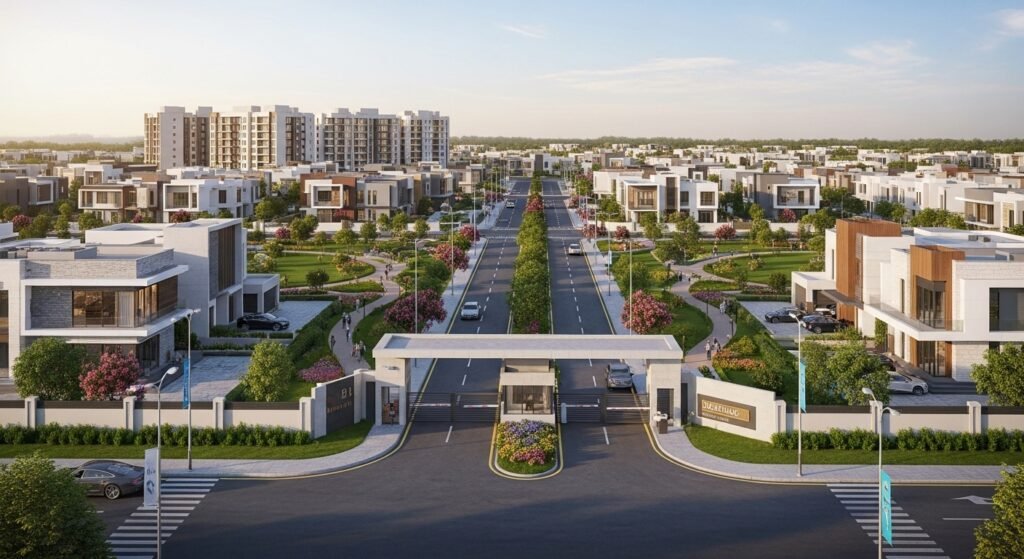
In Islamabad, the federal capital of Pakistan, the demand for houses for sale remains strong due to its majestic mountains, beautiful landscape, and picturesque views that make it the second most beautiful capital in the world. With the New International Airport, the Lahore Motorway (M2), and the M1 motorway connecting the twin cities of Rawalpindi and Lahore, accessibility has improved, making Islamabad a popular choice for living among foreign diplomats, bureaucrats, and the corporate sector. I’ve personally toured areas near Murree, just a 40-minute drive north, and seen how proximity to northern areas like Nathiagali, Ayubia, Naran, and Kaghan adds to the appeal of owning a home here.
The types of houses available range from single, double, and triple-unit structures in sizes like 5 marla, 10 marla, 1 kanal, and even 8 kanal, often equipped with furnished fittings, servant rooms, American kitchens, and gardens. In exclusive gated communities such as DHA, Bahria Town, and the Diplomatic Enclave, buyers enjoy amenities like medical care, schools, Jamia Masjid, gyms, community centres, and sports facilities. I’ve seen luxury homes in F-7 with swimming pools, lounges, lawns, and car spaces, while schemes in Park Enclave or Naval housing projects offer spacious bedrooms, drawing rooms, study quarters, and parking for multiple cars. With mosques, hospitals, tennis clubs, golf courses, cricket stadiums, colleges, and even multiplex cinemas nearby, Islamabad’s houses for sale provide not just residential comfort but a complete lifestyle, making them a top investment choice in the city’s thriving real estate market.
In Islamabad, the capital of Pakistan situated on the Pothohar Plateau, the demand for flats and apartments has grown steadily due to the city’s peaceful environment, picturesque landscape, and stable economy. With the presence of government buildings such as the Parliament House,
Secretariat, and Cabinet headquarters along Constitution Avenue, the city attracts officials, bureaucrats, and professionals who prefer modern housing projects close to their workplaces. I’ve noticed through my own property research that apartments in central localities are often chosen by those with a limited budget, while high-rise developments along the Expressway corridor and near the New International Airport appeal to investors, tourists, and travellers seeking convenience and accessibility.
The real estate market in Islamabad has shifted toward vertical living, with apartments and flats offering secure options for families who want to avoid the maintenance challenges of bungalows or larger houses. I’ve seen how neighbouring housing projects and land developments provide worthwhile property options, ranging from studio apartments to multi-bedroom units equipped with modern amenities. With the city’s growing population census and rising demand, these residential spaces have become a practical solution to space constraints, while also delivering strong ROI for investors. Islamabad’s planned city structure ensures that flats and apartments remain a reliable category within its diverse property landscape.
In Islamabad, the demand for commercial properties has surged as the federal capital of Pakistan continues to establish itself as a hub for stable real estate markets. I’ve seen how shops, office spaces, and warehouses in prime locations like Blue Area, Gulberg, and developments in Bahria Town or Defence Housing Authority (DHA) attract investors due to strong ROI, consistent monthly yield, and long-term capital gains. The presence of bureaucratic elites, ministers, and businessmen in these areas adds to the footfall, while modern infrastructure and access to medical and educational facilities make them highly desirable. Projects such as Zameen Ace Mall, 68 High Street Mall, and 35 kiosks spaces have become popular among the investor fraternity, offering diverse price brackets and strong resale value.
From my own perspective, the factors influencing buying decisions in Islamabad’s commercial units often include structural design, topography, and the potential for modifying or expansion. While challenges like litigation disputes, maintenance costs, and accommodation shortages exist, the rising population demand ensures that commercial properties remain a lucrative segment of the market. With developments in residential areas driving lower housing demand, the need for shops, offices, and plazas continues to grow, making Islamabad’s commercial property sector one of the most promising avenues for investment opportunities in the country.
In Islamabad’s real estate market, land options remain one of the most attractive segments for both investments and long-term ownership. I’ve seen how Bahria Town, Gulberg Greens, Enclave, and Cooperative Housing Society (ICHS) provide buyers with profitable ventures in sizes like 5 marla, 10 marla, and 1 kanal, while larger plots in DHA or MPCHS appeal to those seeking luxury houses in gated communities. Locations such as Khayaban Kashmir, G-15, and CBR Paradise Residencia are particularly popular because of their CDA-approved schemes, 80-feet wide roads, and underground electricity cables, which ensure modern infrastructure and uninterrupted gas supply.
From my own perspective, the appeal of these land options lies in the well-equipped amenities offered to residents, including cinemas, mosques, golf courses, lakes, tennis clubs, cricket stadiums, hospitals, restaurants, and parks. I’ve noticed how expats often prefer Overseas Blocks in reputable societies, where security, children’s play areas, and community clinics enhance the lifestyle. Even corner plots in Defence Mall or Shopping Valley carry premium value due to their location advantages and strong ROI potential. With rapid development and growing demand, Islamabad’s land options continue to be a niche property category that balances affordability with luxury investment opportunities.
The rise in Naval Farms Islamabad Sector E file prices has become one of the most talked-about market trends in the city’s real estate sector. I’ve personally tracked how farmhouse files of 5 kanal that were once available at around 1.10 to 1.25 crore have now reached 1.60 to 1.70 crore, making them more expensive and highly sought after. The surrounding area development, coupled with rebranded projects and reasonable prices in earlier phases, has acted as a trigger for this surge. With tenders floated by ADC, improved service benefits for Navy personnel and civilians, and a clear schedule of installments, the market hype has grown stronger, pushing current rates upward.
From my own perspective, the flexible options for building farmhouses and the promise of lucrative investment returns by early 2026 have made Sector E a game changer. The total cost may be higher now, but the attractive LP schemes, cleared land status, and 2.5 service benefit charges have reassured investors about long-term ROI. I’ve noticed how the expensive files are still considered a profitable venture because of the lucrative outlook, strong demand, and the perception that Naval Anchorage Farms remain one of Islamabad’s most secure and prestigious property providers.
The delays in Park View City (PVC) Islamabad blocks have become a key concern among plot owners and investors, especially in C and H Blocks. From my own observation, the primary reasons stem from topographical challenges, the hilly terrain, extensive land cutting, and leveling requirements have slowed the pace of development. While developers are trying to accelerate projects by offering incentives such as waiving charges for homeowners, the progress in phases remains uneven due to logistical issues and the need to meet CDA approval standards for infrastructure.
I’ve noticed that despite planning extensions and additions like commercial downtown areas, the focus of resources has stretched timelines, pushing possession slabs further. The official schedule now points toward August 14, 2025, for certain blocks, but amenities such as electricity, water, and roads are still under development. For many buyers, the delays are frustrating, yet the promise of expansion, secure habitation, and long-term investment returns keeps confidence intact. In my experience, these development challenges are common in large-scale housing schemes, but once resolved, they often lead to stronger ROI and higher demand in the Islamabad real estate market.
In Islamabad’s real estate market, the debate over DHA Phase 3 vs Phase 4 price comparison has become a focal point for investors. From my own dealings, I’ve seen how Phase 3 is more developed, offering premium plots with higher-priced options that reflect its established status and prime scenic location. For example, 5 Marla plots here can range between PKR 27 lakh to 1.1 crore, while 10 Marla plots often fall between 42 lakh and 1.65 crore, and 1 Kanal plots can reach 75 lakh to 3.6 crore. The presence of Sector D, covering around 1,050 kanal, and partially developed areas of 15 to 16 million square feet, adds to its higher-value appeal, making it ideal for those seeking immediate living and secure long-term ROI.
By contrast, Phase 4 is still in a high-growth developing stage, offering more affordable entry points for buyers who want to capitalize on future expansion. Located opposite Phase 2 and Bahria Town Phase 8, it has become an attractive option for those with lower budgets but strong investment potential. I’ve noticed that while Phase 3 caters to those who prefer premium living standards, Phase 4 appeals to buyers looking at 2025 to 2030 growth takeaways, where prices are expected to rise steadily as infrastructure development accelerates. In my experience, the choice between the two often depends on whether one values immediate possession and higher-priced plots or prefers affordable investments with long-term appreciation.
When exploring the cheapest areas in Islamabad, I’ve often found that Satellite Town and CDA sectors G-13 and G-14 stand out as practical choices for budget-friendly housing options. Located on the outskirts and close to neighboring Rawalpindi, these surrounding satellite towns provide easy access to major routes like GT Road and the Kashmir Highway, making them convenient for daily commuting. In my own property dealings, I’ve seen rent for a central portion in these areas range between 35,000 to 40,000 Pakistani Rupees, which is far more affordable compared to premium high-cost alternatives like DHA or Bahria Town.
The developing property prices in G-13 and G-14, especially in sub-sectors G-14/1, G-14/2, G-14/3, and G-14/4, remain lower yet competitive, offering strong key takeaways for investors who want a balance of affordability and residential amenities. With schools, markets, parks, and reliable security, these areas provide a choice that suits families seeking a bustling environment without exceeding their budget limits. I’ve noticed that while older smaller units dominate the landscape, the emerging CDA sectors continue to attract steady demand, making them one of the most affordable housing options in the Islamabad real estate market.
In Islamabad’s real estate market, the concept of minimum investment has evolved with the introduction of REITs (Real Estate Investment Trusts) and fractional ownership platforms. Traditionally, a strategic investor in a REIT Scheme was required to hold a minimum stake of 25%, with a private person needing around 20 million rupees to participate. However, newer offerings listed on the Pakistan Stock Exchange (PSX) have made entry far more accessible, with initial unit prices starting from PKR 5,000 across nearly 14 listings. I’ve personally seen how this shift has opened doors for smaller investors who previously faced barriers due to the need for millions in capital.
At the same time, fractional ownership has emerged as an accessible option, allowing investors to buy percentages of high-value commercial and residential properties with sums as low as 5-10% of the total property cost. Platforms offering co-ownership in hotel apartments and projects, sometimes even tokenized on blockchain, have become part of the emerging trend in global markets, where investments can start from as little as $500. With regulated structures under the SECP (Securities and Exchange Commission of Pakistan), these models ensure secured investments, liquidity, and the ability to distribute 90% of taxable income back to unit holders. From my own perspective, whether through Signature Residency (SRR) or other brokerage accounts that allow investors to buy units like stocks, the minimum investment opportunities in Islamabad’s real estate are becoming more flexible, sustainable, and aligned with global practices.
For those considering where to invest 20 lacs in Pakistan, I’ve often advised looking beyond Islamabad’s premium DHA Phase 3 and Phase 4 plots, which usually require higher budgets, and instead focusing on emerging projects like Sapphire Bay, DHA Quetta, LDA City Lahore, DHA Multan, and Lahore Smart City. These developments provide affordable entry points, especially in 5 Marla plots, where PKR 27 lakh is a typical starting range, making them accessible for investors with limited capital. In my own experience, LDA City Lahore and Lahore Smart City stand out for their ongoing development status, offering attractive long-term growth potential with strong infrastructure planning and residential blocks designed for modern living.
Meanwhile, DHA Quetta and DHA Multan are gaining traction due to their scenic locations and investment potential, with 10 Marla plots priced around 42 lakh to 1.65 crore, and 1 Kanal plots ranging from 75 lakh to 3.6 crore in more developed phases. Projects like Sapphire Bay are particularly appealing for those seeking lower entry points with secure investment opportunities, while still benefiting from prime locations and attractive ROI. I’ve noticed that investors targeting 2025 to 2030 growth takeaways prefer these affordable schemes, as they balance immediate possession options with long-term appreciation, making them a smart choice in Pakistan’s evolving real estate market.
In real estate, many investors rely on the Rule of 7% as a practical guideline when evaluating rental property returns. The idea is simple: your annual gross income from rent should equal at least 7% of the purchase price. For example, if a property costs $300,000, it should ideally generate $21,000 per year, or about $1,750 per month in rent. I’ve personally used this as a screening tool in Islamabad’s markets, where higher-cost properties often fall short of this benchmark, making it easier to filter out options that don’t align with realistic expectations.
Of course, the analysis doesn’t stop at gross numbers. Factoring in expenses like taxes, insurance, repairs, and potential vacancies is critical to understanding true profitability. In my own investment strategy, applying the Rule of 7 has helped me identify locations where rental income balances well against purchase costs, ensuring both secure returns and long-term sustainability. While not a perfect formula, it remains one of the most effective tools for quickly assessing whether a property is worth pursuing in the real estate market.
In Islamabad, many home buyers prefer working with professional real estate agencies because of their market knowledge, expertise, and ability to handle property transactions in a secure and transparent way. I’ve personally seen how verified listings in reputable societies like Bahria Town or DHA save buyers from the risks of fraudulent deals and illegal housing zones. The reasons for trusting agencies often come down to legal compliance, verification processes, and the assurance that legitimate projects are being offered. In my own experience, agencies provide sound guidance in fast-moving markets, helping clients make confident decisions backed by verified information.
Well-known firms such as Hadi Anwar Developers, Square Nine, and Etihad have built strong reputations by offering professional services, insights, and secure options in prime locations and premium high-value urban areas. Their credibility as trusted brands comes from consistent professionalism, ensuring safety and compliance while protecting investments. I’ve noticed that home buyers often highlight the transparent transactions and modern planned areas these agencies deal in, which makes them the go-to choice for anyone entering Islamabad’s real estate market.
In Islamabad and Rawalpindi, the role of a real estate agency has become central to managing property sale and rent across houses, plots, commercial spaces, farm land, and even industrial units. I’ve personally interacted with agents and dealers whose staff handle listed properties with professionalism, ensuring smooth transactions for both buyers and sellers. In Pakistan’s dynamic market, these agencies provide investment opportunities by leveraging their experience, knowledge, and expertise in housing schemes. Many publish blog posts and updates to guide beginners, reshaping the environment with digital marketing and strong commitment to client success.
Well-known players like Hadi Anwar Developers and other trustworthy companies have built a strong track record in management, offering services that include sales advice, after-sales care, and NOC-approved projects. I’ve seen how their partnerships and portfolios create profitable opportunities, whether someone wants to buy, sell, or generate passive income through rentals. For many, these agencies are the bridge to achieving a dream home or securing profitable investments, thanks to their ability to navigate market dynamics and provide smooth transactions in a competitive real estate business.
When it comes to building your future in Islamabad, the city’s real estate market is shaped by rapidly evolving infrastructural developments and strong investment opportunities. I’ve seen firsthand how projects like the Rawalpindi-Islamabad Ring Road, DHA, Bahria Town, and Capital Smart City have created new hotspots for both residential and commercial properties. With plots, apartments, and villas in areas such as Zone 5, Margalla Enclave, and even eco-friendly aerotropolis schemes near the International Airport, buyers are drawn to the promise of secure modern living and capital appreciation. In my own analysis, the rental yields in places like Phase 9 Gandhara or NORA Residences highlight how property values are steadily rising, making Islamabad a hub for smart sustainable development.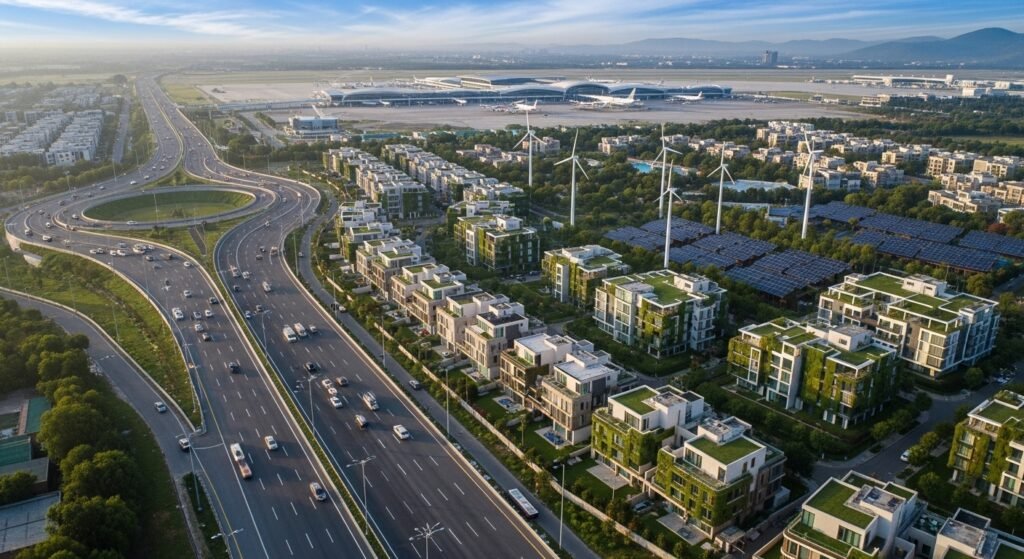
Looking ahead to 2025, 2026, and Vision 2027, the government initiatives around road networks, urban planning, and solutions for water shortages will further strengthen Islamabad’s position as a regional business hub. Developers such as Hadi Anwar Developers and other professionals are reshaping the market with quality construction design, legal NOCs, and trusted agencies offering due diligence advice. I’ve noticed how buyers, private investors, funds, and even corporates and banks are diversifying into Islamabad’s Northern Region, leveraging robust financial stability and long-term returns. With Centaurus Mall, Blue Area, and corridors like Khayban-e-Quaid-e-Azam serving as commercial anchors, Islamabad continues to offer profitable property options across every budget, ensuring that the city remains a premier choice for those planning their future investments.
